Nvidia CEO Jensen Huang Visits TSMC Amid U.S.-China Chip Friction
The visit highlights a critical partnership as Nvidia confirms its next-generation 'Rubin' architecture and navigates the complex situation surrounding its H20 AI chip designed for China.

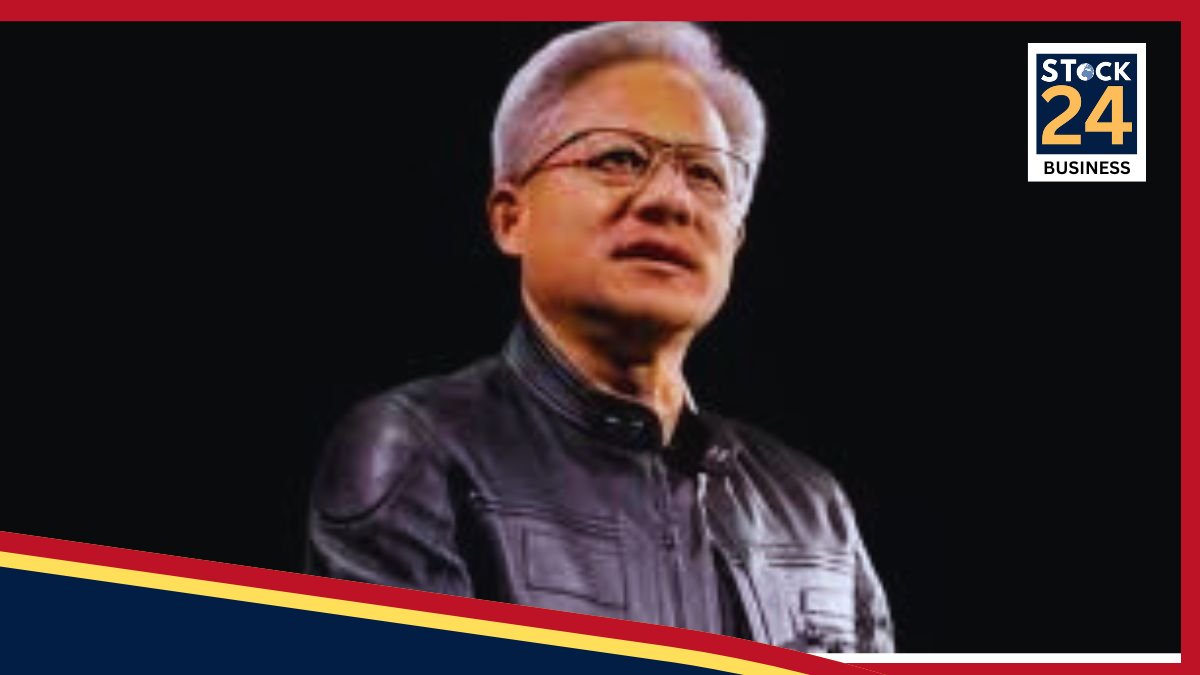
TAIPEI – Nvidia CEO Jensen Huang made a high-profile visit to Taipei on Friday to meet with leaders from Taiwan Semiconductor Manufacturing Co. (TSMC), the company’s crucial chip manufacturing partner. The trip comes at a pivotal moment as Nvidia, the world’s most valuable company, manages intense geopolitical pressures between Washington and Beijing over access to its advanced AI technology.
Arriving just days before the company’s critical earnings report, Huang told reporters his primary purpose was to visit and thank TSMC. He announced a significant milestone, confirming that Nvidia has successfully “taped out” six brand-new chips for its next-generation Rubin AI platform, including a new GPU and a silicon photonics processor. Taping out is the final phase of the chip design process before manufacturing begins.
“This is the first architecture in our history where every single chip is new and revolutionary,” Huang stated upon his arrival. “We’ve taped out all of the chips.”
The visit, however, is set against a backdrop of uncertainty regarding Nvidia’s business in China. Recent reports from Reuters and The Information indicated that Nvidia had asked suppliers, including Foxconn and Amkor Technology, to halt work related to its H20 AI chip—a model specifically designed to comply with U.S. export restrictions for the Chinese market.
Addressing the reports, Huang clarified the situation, explaining that Nvidia has already prepared a significant inventory of H20 chips and is now awaiting purchase orders from customers in China. “When we receive the orders, we will be able to purchase more,” he said, suggesting the pause is related to managing supply based on current demand.
The H20 chip has faced a turbulent journey. After receiving U.S. approval for sales in July, Nvidia was quickly confronted with caution from Chinese authorities, who raised potential information security concerns. Nvidia maintains its chips have no backdoor risks.
Huang also confirmed that Nvidia is in discussions with the U.S. government about a potential successor to the H20, tentatively known as the B30A, which would be based on the company’s latest Blackwell architecture. However, he emphasized that any new offering for the Chinese market is not solely Nvidia’s decision to make.
“It’s up to, of course, the U.S. government, and we are in dialogue with them, but it is too soon to know,” he said.
The CEO’s direct engagement with TSMC underscores the critical importance of their partnership in bringing Nvidia’s most advanced designs to life, even as the company carefully balances its product roadmap with the shifting dynamics of global trade policy.


